
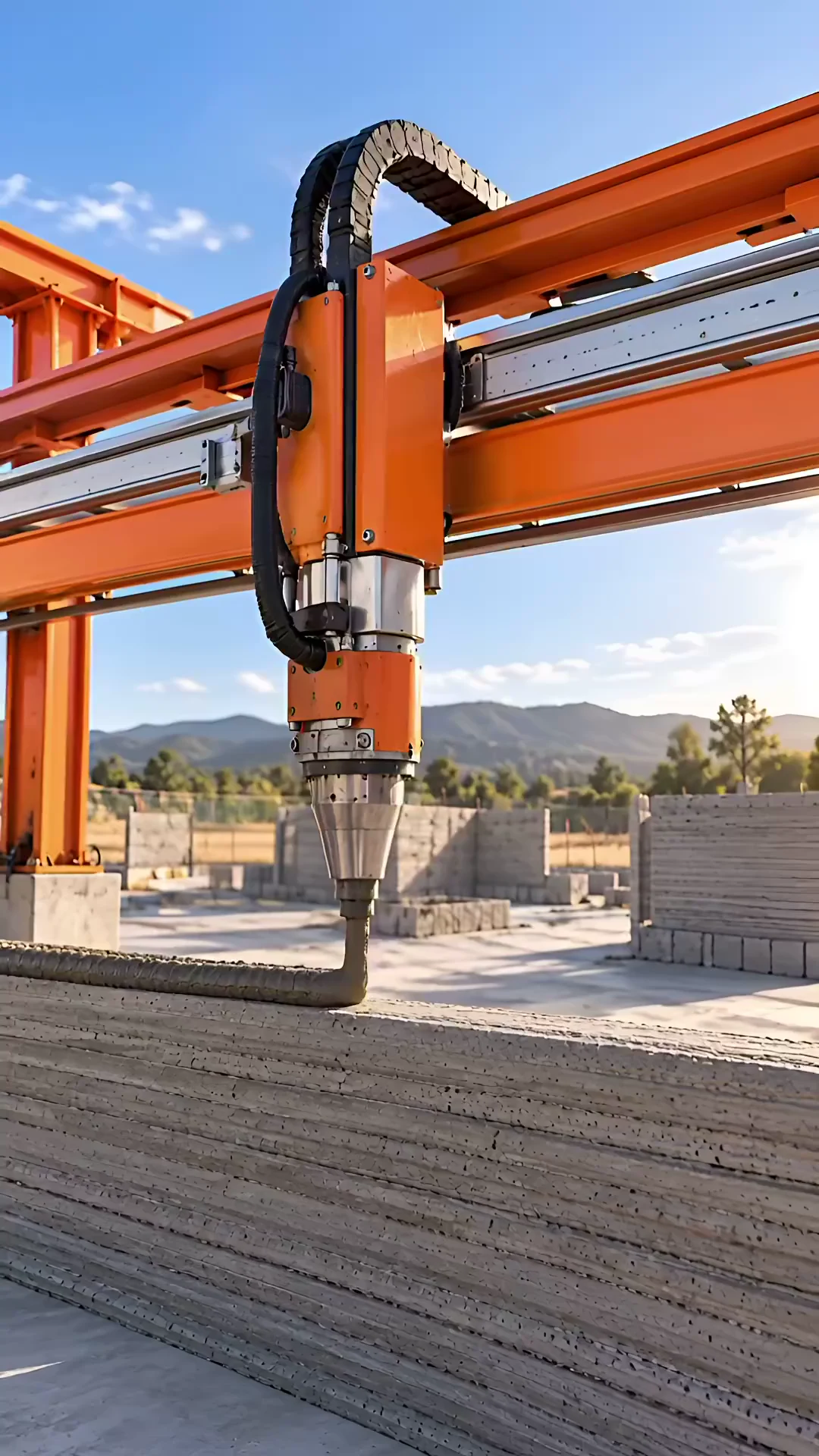
Layer by layer.
A construction printer follows a digital design and deposits a cement-based mixture. This automates part of the wall-building process.
Episode 02 · With Ethan · 1 min 50 sec
Before you believe the price tag, ask one question: does it cover the walls—or a finished home?
Beyond the price tag
Follow Ethan from layer-by-layer construction to the work that turns a structure into a home.
AI-generated presenter and illustrative scenes. Simplified visualizations, not documentary footage.
Watch on YouTube ↗ (opens in a new tab)Read the episode summary ↓The key idea
A printed-wall price does not establish the cost of a finished home. In the process shown here, printing automates part of wall construction; foundations, roofing, services and finishes still need to be accounted for. Compare equivalent completed homes before judging savings.
Inside the episode
The episode’s central question is about scope: a price for printed walls does not describe everything needed for a completed home.
A construction printer follows a digital design and deposits a cement-based mixture. This automates part of the wall-building process.
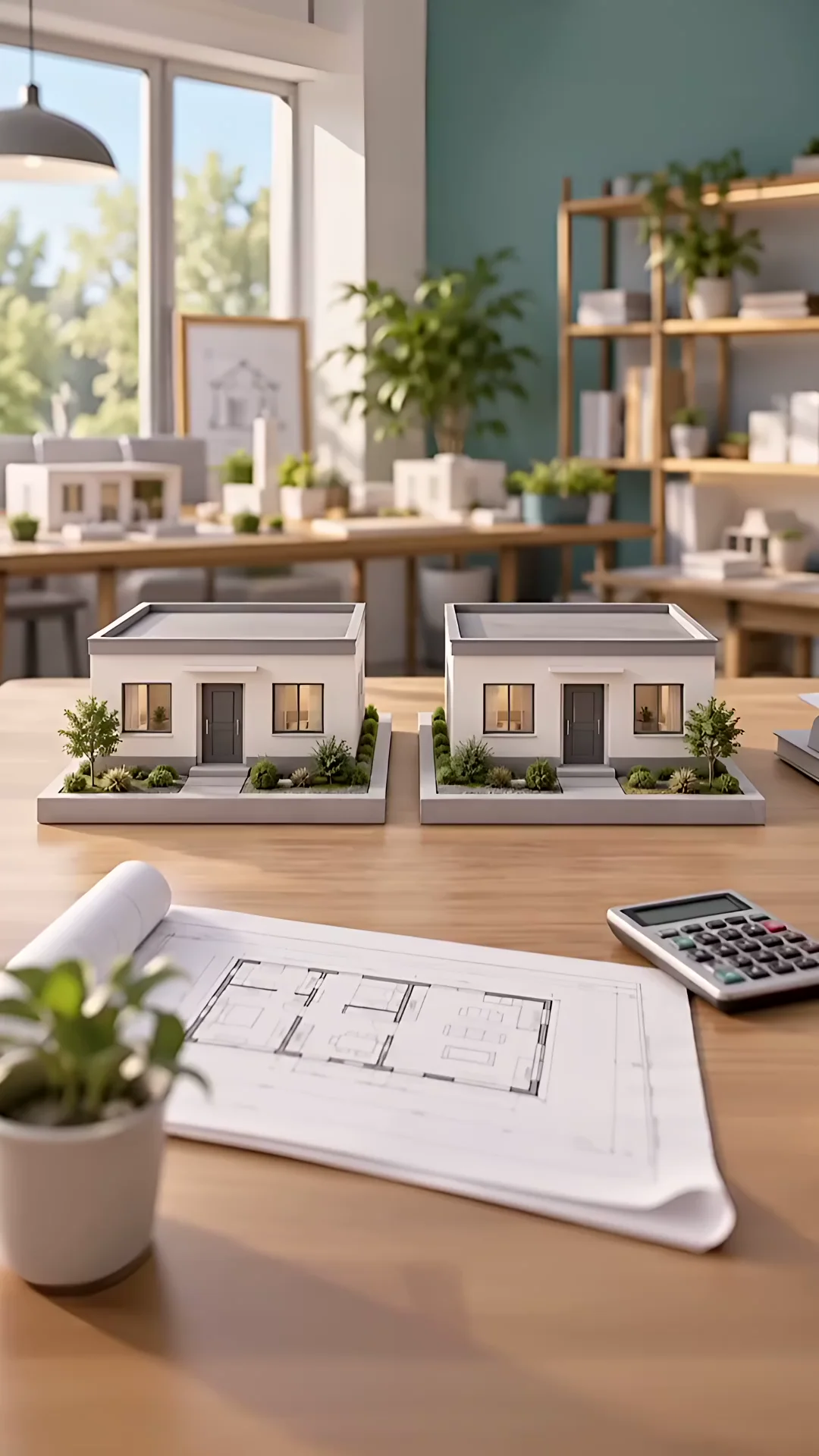
Roofs, windows, doors, services and finishes must be integrated with the wall system. Equipment, materials, site conditions and local requirements also matter.
Look beyond printing time
A wall is not an isolated product. It needs openings for doors and windows, routes for plumbing and electrical services, and connections to the foundation and roof. HUD-supported research examined these interfaces alongside finishing options. Its 2023 article describes preliminary findings, not a universal cost saving for every printed house.
When reading a project’s price claim, ask which of these items is included. A faster wall-printing stage does not, by itself, establish the total cost or completion time of an equivalent finished home. Read the HUD research overview ↗
Questions, answered
No. The wall-printing process shown here is one construction stage. The roof, openings, services, finishes and connections must be integrated into the completed building. Sources and further reading
In the wall-printing process explained here, a printer follows a digital design and deposits a cement-based mixture layer by layer. Printing the walls is one part of constructing the home.
Not necessarily. Check whether the quoted scope includes the roof, windows, doors, services and finishes. A wall-only price cannot be compared directly with a completed-home price.
Compare the same finished specifications and scope of work. Consider the equipment, materials, site conditions and local requirements as well as the printed walls.
Explore further
Further reading on construction practices and the integration of printed wall systems.
Technical findings on wall systems, openings, utilities and connections.
Research into integrating printed components with conventional building systems.
Source links open in a new tab.

Up next · Episode 03
Published by MAKESTEAD · Page updated October 2, 2026 · Our sources and editorial approach